


Introduction
Personal Finance Tips are essential for anyone who wants to manage money with confidence and clarity. In today’s world, earning money is only one part of financial success. The real challenge is learning how to spend wisely, save consistently, and plan for the future. Many people struggle with finances not because they earn too little, but because they lack proper money management habits.
For beginners and intermediate learners, personal finance can feel confusing. There are budgets, savings plans, investments, debts, and unexpected expenses. Without guidance, it is easy to feel overwhelmed and make poor decisions. That is why understanding personal finance tips is so important. These tips help create structure, discipline, and peace of mind.
Personal Finance Tips are not about becoming rich overnight. They focus on building stability and reducing stress. Small habits, practiced regularly, can lead to big improvements over time. Learning how to manage income, control spending, and plan ahead creates a strong foundation for financial security.
This article explains Personal Finance Tips in simple English. It is written for beginners and intermediate readers who want practical advice they can actually use. You will learn what personal finance tips are, why they matter, step-by-step guidance, benefits, risks, common mistakes, and expert advice. By the end, you will have clear direction to take control of your money and build a healthier financial future.
What is Personal Finance Tips?
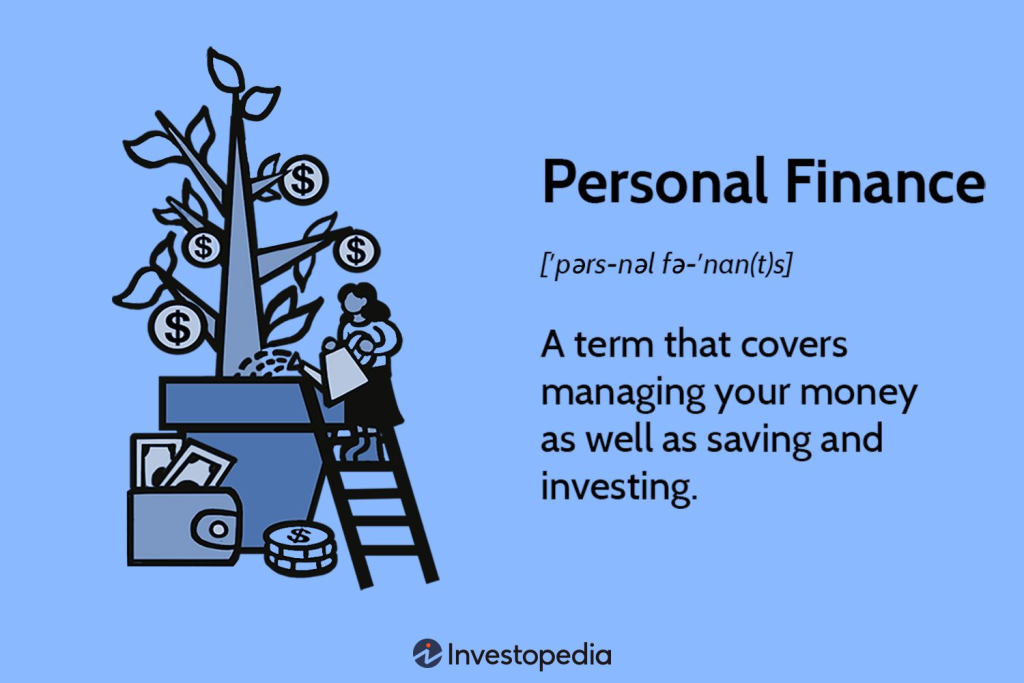
Personal Finance Tips are practical guidelines that help individuals manage their money effectively. These tips cover earning, saving, spending, borrowing, and planning for future needs. The goal is to make informed financial decisions that support long-term stability and personal goals.
In simple terms, personal finance tips teach people how to handle money wisely. They include advice on budgeting, saving for emergencies, reducing debt, and planning for retirement. These tips apply to people at all income levels.
Personal finance tips are not one-size-fits-all. They can be adjusted based on lifestyle, goals, and financial situations. What matters most is consistency and awareness.
By following personal finance tips, individuals learn how to balance needs and wants. They gain control over their finances instead of feeling controlled by money problems.
Why is Personal Finance Tips Important?
Personal Finance Tips are important because they reduce financial stress. When people understand where their money goes, they feel more confident and less anxious. Clear planning removes uncertainty and helps avoid last-minute struggles.
Another reason personal finance tips matter is security. Life is unpredictable, and unexpected expenses can happen anytime. Good financial habits create safety nets that protect against emergencies.
Personal finance tips also support long-term goals. Whether it is buying a home, starting a business, or retiring comfortably, planning makes goals achievable. Without guidance, people may delay or abandon important dreams.
Financial literacy improves decision-making. People who follow personal finance tips are less likely to fall into debt traps or make emotional spending choices. Overall, these tips help build independence, stability, and confidence.
Detailed Step-by-Step Guide
Step 1: Track Your Income and Expenses
Start by understanding how much money you earn and spend. Write down all income sources and expenses. This creates awareness and highlights spending patterns.
Tracking is the foundation of good money management.
Step 2: Create a Realistic Budget
A budget helps control spending. Divide income into categories such as needs, savings, and wants. Make sure expenses do not exceed income.
Budgets provide structure and clarity.
Step 3: Build an Emergency Fund
Set aside money for unexpected expenses. Start small and grow gradually. Even a small emergency fund reduces stress.
Emergency savings protect against surprises.
Step 4: Reduce and Manage Debt
List all debts and focus on paying high-interest ones first. Avoid unnecessary borrowing and make regular payments.
Debt control improves financial freedom.
Step 5: Save and Invest Consistently
Saving is important, but investing helps money grow. Start with simple options and focus on long-term goals.
Consistency matters more than amount.
Step 6: Review and Adjust Regularly
Life changes, and finances should adapt. Review budgets and goals regularly. Adjust plans as income or priorities change.
Regular review keeps finances healthy.
Benefits of Personal Finance Tips

- Reduce financial stress
- Improve money control
- Build savings and security
- Support long-term goals
- Encourage disciplined spending
- Increase financial confidence
- Help avoid unnecessary debt
- Promote responsible habits
Disadvantages / Risks
- Requires discipline and patience
- Progress may feel slow
- Mistakes can happen early
- Requires regular monitoring
- Lifestyle adjustments may be challenging
- Temptation to overspend
- Inconsistent income can complicate planning
Common Mistakes to Avoid
One common mistake is not tracking expenses. Without awareness, budgets fail.
Another mistake is unrealistic planning. Setting impossible goals leads to frustration.
Ignoring savings is also risky. Many people focus only on spending and forget future needs.
Lastly, emotional spending can ruin progress. Awareness helps prevent impulse decisions.
FAQs
What are Personal Finance Tips?
Personal Finance Tips are practical guidelines for managing money effectively.
Can beginners follow personal finance tips?
Yes, these tips are designed to be simple and beginner-friendly.
How much should I save each month?
Start with what you can and increase gradually as income grows.
Are budgets necessary?
Budgets help control spending and plan savings effectively.
Is debt always bad?
Not all debt is bad, but unmanaged debt creates problems.
How often should finances be reviewed?
Monthly reviews help maintain control and adjust plans.
Expert Tips & Bonus Points
Start early and stay consistent. Focus on habits, not perfection. Use automation for savings. Avoid comparing finances with others. Learn continuously about money management. Small improvements lead to big results over time. Personal Finance Tips work best when applied patiently and honestly.
Conclusion
Personal Finance Tips provide a roadmap for building a stable and secure financial life. They help individuals understand money, control spending, and plan for the future with confidence. For beginners and intermediate learners, these tips remove confusion and replace it with clarity.
Managing money is not about restriction. It is about making choices that support well-being and goals. Personal finance tips empower people to take responsibility and create balance between present needs and future plans.
While challenges exist, consistency and awareness make progress possible. Small steps taken today can lead to meaningful change over time. Financial success is built through habits, not luck.
By applying Personal Finance Tips thoughtfully, anyone can improve their financial health. With patience, discipline, and learning, money becomes a tool for stability, growth, and peace of mind rather than a source of stress.
