

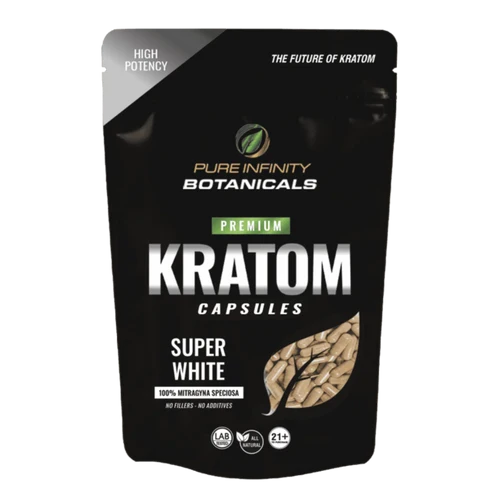
Botanical supplements can look simple on a product page, yet the details behind a capsule matter. Ingredients, sourcing, processing, labeling, testing, and storage can all affect what a buyer actually receives. Shoppers researching organic kratom capsules should therefore look beyond attractive packaging and broad product claims. A careful purchasing process starts with knowing what information a responsible seller should provide and what questions deserve answers before an order is placed.
Start With the Ingredient Label
A product label is the first practical source of information. It should identify the botanical ingredient, serving information, capsule contents, and other components clearly.
Vague descriptions can make it difficult to determine what is actually inside a bottle. Buyers should also distinguish between information about the raw botanical material and claims about the finished capsule.
Useful label details may include:
- Botanical name and plant material used
- Amount of material contained per serving
- Capsule ingredients and other additives
- Recommended serving information
- Lot or batch identification
- Manufacturer or distributor information
- Storage instructions and expiration information
A clear label does not automatically establish product quality, but an incomplete label makes informed comparison harder.
Why Botanical Sourcing Deserves Attention
Plants absorb characteristics from the environment in which they grow. Soil conditions, agricultural practices, harvesting methods, drying, and storage can all influence raw botanical material.
Sourcing information can give buyers a better understanding of how a product moves from plant material to finished capsules. Sellers that openly discuss their supply chain provide useful context for evaluating consistency.
Organic certification can also mean different things depending on the certification program and jurisdiction. A marketing phrase alone should not be treated as proof of certification. Buyers interested in organic products can check whether a seller identifies the relevant certification body and explains what the certification covers.
Testing Tells a More Useful Story
Independent laboratory testing is one of the most useful pieces of information a shopper can review. A certificate of analysis, often called a COA, can provide laboratory findings for a particular batch.
Testing may examine factors such as:
- Microbial contamination
- Heavy metals
- Pesticide residues
- Foreign material
- Certain contaminants
- Identity or composition of the tested material
The value of a COA depends on the laboratory, testing methods, date, batch number, and scope of the analysis. A generic laboratory document that cannot be connected to the product being sold offers less useful information than a batch-specific report.
Buyers can also check whether the lot number on the product corresponds with the documentation provided by the seller. That small detail can make a significant difference when comparing products.
Capsules Are More Than a Container
Capsules provide a convenient format, but the capsule itself is part of the finished product. Buyers who have dietary preferences or sensitivities may want to know whether the shell is made from gelatin, a plant-based material, or another substance.
Other ingredients deserve attention as well. Some products contain flow agents, fillers, flavoring materials, or other processing aids. Reading the complete ingredient panel helps prevent assumptions based solely on the product name.
Storage conditions matter after purchase, too. Exposure to moisture, heat, or unsuitable environments can affect many botanical products over time. Following the manufacturer’s storage directions is preferable to relying on guesswork.
Product Consistency Starts With Manufacturing Practices
Two bottles carrying similar descriptions may not have identical manufacturing standards. Production controls influence how consistently raw material is handled, processed, packaged, and documented.
A responsible manufacturer should be able to explain basic aspects of its production process without hiding behind vague marketing language. Information about facility standards, batch tracking, sanitation procedures, testing practices, and packaging can help consumers assess how seriously a company approaches quality control.
Pure Infinity Botanicals, for example, can be evaluated by shoppers based on the information it provides about its products, sourcing, testing, and labeling rather than by promotional claims alone.
That approach gives consumers something concrete to compare: documented practices instead of impressive-sounding descriptions.
Claims Should Match the Evidence
Botanical products are frequently marketed with broad statements about wellness, energy, mood, relaxation, discomfort, or other outcomes. Consumers should treat such claims carefully.
A product description is not the same thing as clinical evidence. Research on a botanical ingredient may also be limited, inconsistent, or conducted under conditions that do not directly match a particular commercial product.
Responsible product pages should distinguish factual product information from claims about effects. Buyers should be especially cautious about statements suggesting that a botanical can diagnose, prevent, treat, or cure a medical condition.
Anyone taking medications, managing a medical condition, pregnant or breastfeeding should discuss kratom use with a qualified healthcare professional before using it.
Check the Rules Where You Live
Kratom’s legal status and regulatory treatment can vary by jurisdiction and may change over time. A product that can be purchased in one location may face restrictions elsewhere.
Before ordering, consumers should check applicable federal, state, provincial, or local rules. Online availability should not be treated as proof that possession or use is permitted in a particular location.
Age restrictions and retailer policies may also apply. Responsible purchasing includes confirming that a product can legally be purchased and possessed where the buyer lives.
Responsible Purchasing Is a Verification Process
A good product comparison does not require a buyer to become a laboratory scientist. A short checklist can help separate useful information from vague advertising.
Before purchasing, review:
- Label: Are ingredients and serving details clearly stated?
- Testing: Is batch-specific laboratory documentation available?
- Traceability: Can the product be connected to a particular lot?
- Sourcing: Does the seller explain where and how botanical material is obtained?
- Manufacturing: Are basic quality-control practices described?
- Packaging: Is the container appropriate for protecting the contents?
- Storage: Are clear storage instructions provided?
- Compliance: Can the product legally be purchased in the buyer’s location?
- Claims: Are product descriptions presented without unsupported medical promises?
This checklist also works when comparing two products that appear nearly identical. The difference may not be visible in the capsule itself; it may be found in the documentation behind the bottle.
Read the Seller’s Information Before the Product Page
A seller’s broader website can reveal useful details that a product listing leaves out. Look for information about testing, sourcing, quality standards, customer support, shipping policies, and product labeling.
Transparency is particularly useful because it lets customers verify claims rather than simply accept them. A company that provides clear documentation gives shoppers more material to evaluate before making a purchase.
Consumers should also pay attention to how a seller handles questions. Specific questions about ingredients, testing, batches, and storage should receive specific answers. Evasive responses or unsupported guarantees deserve additional scrutiny.
A Better Standard for Botanical Shopping
The most useful purchase decision is based on verifiable information rather than packaging, buzzwords, or exaggerated promises. Buyers can start with the label, check testing documents, investigate sourcing, review manufacturing information, and confirm applicable regulations.
For product information, sourcing questions, or help understanding available options, contact us today and speak with a knowledgeable member of the team. A few extra minutes of careful research can provide a clearer picture of the product being considered and support a more informed purchasing decision.
