

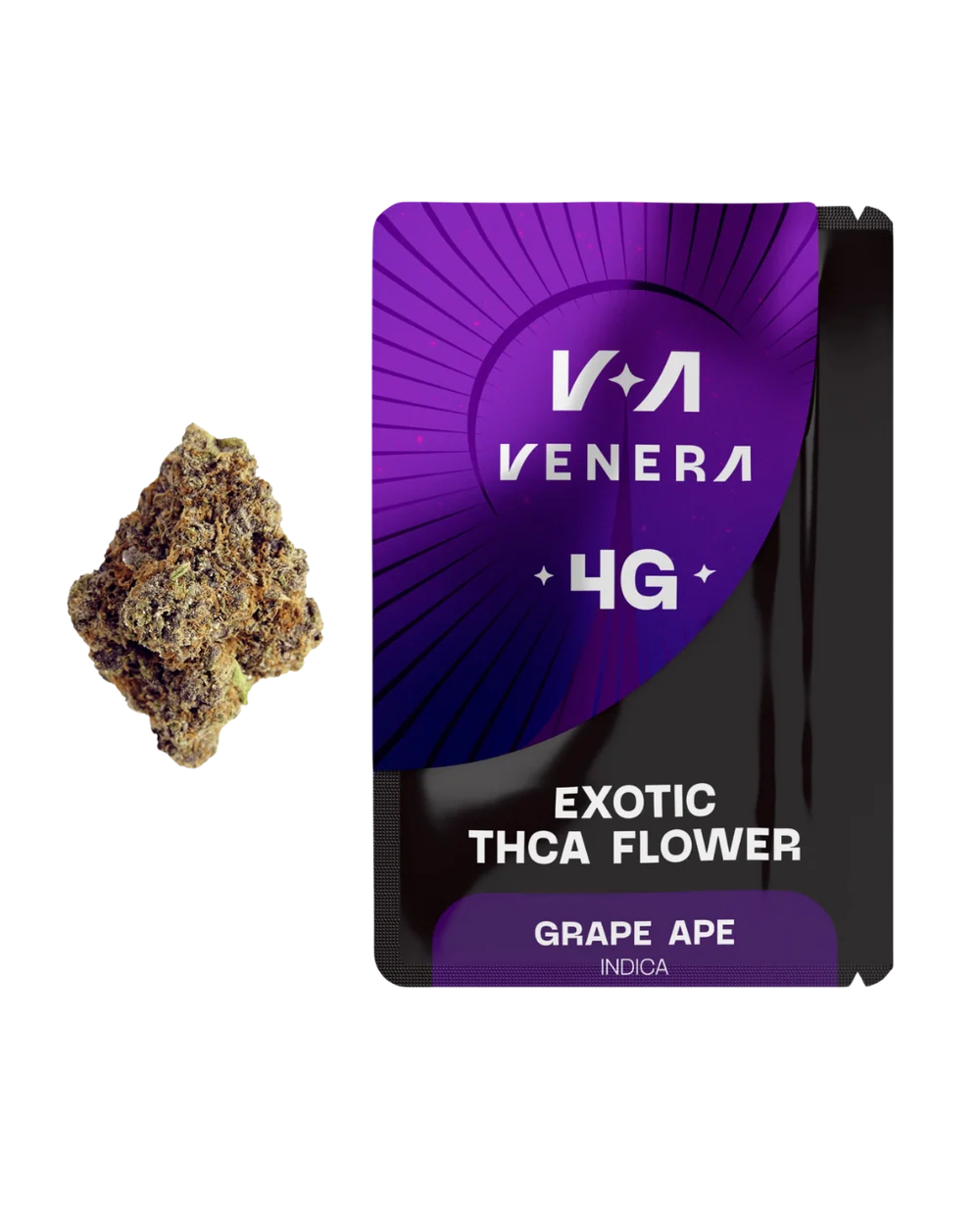
Indica flowers are commonly recognised for their distinctive plant characteristics, aromatic profiles, and diverse cannabinoid and terpene compositions. Understanding these qualities can help consumers learn more about cannabis flower and make informed choices based on product information, personal preferences, and applicable regulations.
The characteristics of indica flowers can vary depending on genetics, cultivation methods, harvesting practices, curing, and storage. Looking at several factors together provides a more complete understanding of what contributes to the overall quality of the flower.
What Are Indica Flowers?
Indica flowers are the flowering parts of cannabis plants traditionally associated with indica genetics. Cannabis varieties have been cultivated and developed over many generations, resulting in a wide range of flower characteristics.
The term “indica” is commonly used to describe certain cannabis varieties, although modern cannabis genetics can include combinations of indica and other genetic traits. As a result, the label can provide general information about a product while its specific cannabinoid and terpene profile offers additional details.
Understanding Indica Characteristics
Indica-associated plants are traditionally described as having shorter, more compact growth structures and broader leaves. Their flowers can also have dense structures and prominent resin production.
These characteristics can vary considerably between individual cultivars, growing environments, and cultivation techniques.
Genetics Influence Flower Properties
Genetics play an important role in determining the characteristics of cannabis flowers. They can influence plant structure, flowering time, aroma, cannabinoid levels, terpene composition, and the appearance of the finished flower.
Understanding the genetic background of a flower can therefore provide useful context when comparing different products.
Appearance of Indica Flowers
The visual appearance of cannabis flower can provide information about its structure and general condition. However, appearance is only one part of assessing overall quality.
Colour and Structure
Indica flowers can display a range of green shades, sometimes accompanied by other natural colours depending on genetics and growing conditions. The flowers may have compact structures and visible plant material covered with resin-producing trichomes.
A consistent appearance can contribute to the overall presentation of the product.
Trichomes
Trichomes are small structures found on the surface of cannabis flowers. They are associated with the production of cannabinoids and terpenes.
A flower with visible trichome coverage can have a distinctive frosty or crystalline appearance. Trichome development is influenced by genetics and cultivation conditions.
Understanding Cannabinoids in Indica Flowers
Cannabinoids are naturally occurring compounds found in cannabis plants. THCA, THC, CBD, CBG, and other cannabinoids may be present in different amounts depending on the flower.
THCA and THC
Raw cannabis flowers primarily contain acidic cannabinoids such as THCA. When exposed to heat, THCA can undergo decarboxylation and convert into THC.
The cannabinoid content of a particular flower can vary, so checking available product information or laboratory testing can provide a clearer understanding of its composition.
Other Cannabinoids
Some indica flowers may contain smaller amounts of cannabinoids such as CBD or CBG. The overall cannabinoid profile can contribute to the unique characteristics of a particular flower.
Rather than focusing on one cannabinoid alone, reviewing the complete available profile can provide a broader understanding of the product.
The Role of Terpenes
Terpenes are aromatic compounds naturally found in cannabis and many other plants. They contribute significantly to the aroma and flavour characteristics of different flowers.
Common Terpene Characteristics
Different flowers can contain different combinations of terpenes. Some may have citrus-like characteristics, while others may have earthy, herbal, floral, pine-like, or fruity aromas.
The terpene profile is influenced by genetics, cultivation, harvesting, curing, and storage.
Why Terpene Information Matters
Terpene information can help consumers understand the aromatic characteristics of a particular flower. When laboratory results are available, reviewing the terpene profile alongside cannabinoid information can provide a more detailed picture of the product.
How Cultivation Affects Quality
Growing conditions have an important influence on the development of cannabis flowers. Factors such as light, temperature, humidity, nutrients, water, and growing methods can all affect plant development.
Growing Environment
A controlled and suitable growing environment can support consistent plant development. Cultivators may carefully manage temperature, humidity, lighting, and airflow throughout different stages of growth.
Outdoor cultivation can also produce distinct characteristics because plants are influenced by natural seasonal conditions.
Harvest Timing
The timing of harvest can influence cannabinoid and terpene development. Growers consider factors such as plant maturity, trichome development, and the desired characteristics of the finished flower when determining harvest timing.
Curing and Drying Indica Flowers
Drying and curing are important stages after harvesting. These processes help prepare flowers for storage while influencing their texture and aromatic characteristics.
Drying Process
Freshly harvested flowers contain significant moisture. Controlled drying gradually reduces this moisture while helping preserve the natural characteristics of the flower.
The drying environment can influence the final texture and aroma.
Curing Process
Curing involves allowing dried flower to condition over time under controlled storage conditions. Proper curing can help develop the flower’s aroma and texture while supporting a consistent overall product.
The quality of the curing process can therefore be an important consideration when evaluating finished cannabis flower.
How to Evaluate the Quality of Indica Flowers
Understanding quality involves considering several characteristics rather than relying on one feature.
Examine the Flower
Look at the overall structure, colour, trichome coverage, and presentation. A well-prepared flower should have a consistent appearance appropriate to its genetic characteristics.
Consider Aroma
Aroma can provide useful information about the terpene profile. Depending on the genetics, indica flowers may have earthy, floral, herbal, fruity, citrus, or other aromatic characteristics.
A clear and recognisable aroma can help distinguish different flower profiles.
Review Product Information
Product labels can provide information about cannabinoid concentrations, weight, cultivation details, and other relevant characteristics.
Laboratory testing may offer additional information about cannabinoid and terpene content, depending on the product and applicable regulations.
Proper Storage of Indica Flowers
Storage plays an important role in maintaining the condition of cannabis flowers after purchase.
Control Temperature and Light
Keeping flower away from excessive heat and direct light can help preserve its characteristics. A cool, stable environment is generally more suitable for storage.
Manage Moisture
Maintaining an appropriate moisture balance can help preserve the flower’s texture and aroma. Excessive moisture and very dry conditions can both affect the condition of stored flower.
Use Suitable Containers
An appropriate airtight container can help limit unnecessary exposure to air and environmental changes. Products should also be stored securely and kept away from children and pets.
Choosing Indica Flowers Based on Your Preferences
Different consumers may prioritise different characteristics when selecting cannabis flower. Some may focus on aroma and terpene composition, while others may be more interested in cannabinoid content, appearance, or cultivation information.
Compare Cannabinoid Profiles
Reviewing cannabinoid information can help you understand the composition of different flowers. Consider the available laboratory information rather than relying solely on product names or general classifications.
Explore Different Terpene Profiles
Trying to understand terpene profiles can help you identify the aromas and flavour characteristics that align with your preferences.
Consider Product Size
Indica flowers may be available in different quantities. Choosing an appropriate quantity can make storage easier and allow you to select a product that suits your individual requirements.
Final Thoughts on Indica Flowers
Indica flowers have a wide range of characteristics shaped by genetics, cultivation, harvesting, curing, and storage. Their appearance, cannabinoid content, terpene profile, aroma, structure, and overall presentation can all provide useful information when evaluating a product.
Learning how these factors work together can make it easier to understand differences between cannabis flowers. By reviewing product information, considering cannabinoid and terpene profiles, paying attention to cultivation and curing practices, and storing flowers appropriately, consumers can develop a clearer understanding of indica flowers and the qualities that contribute to their overall character.
